Aquaculture is changing.
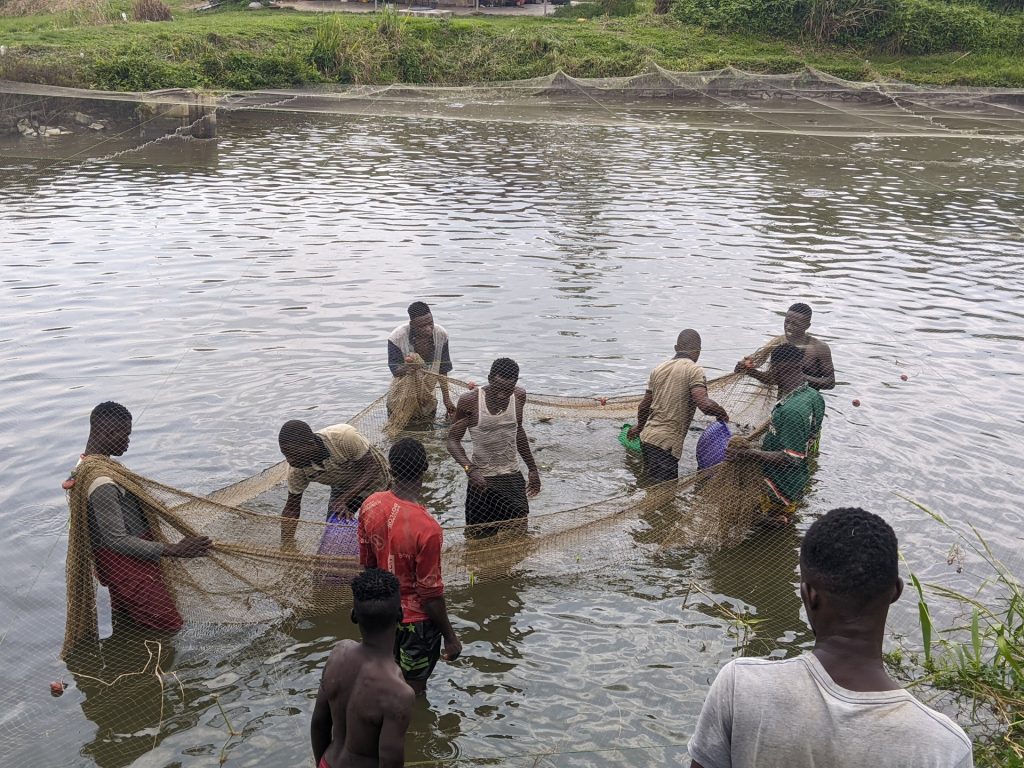
For many people, fish farming immediately brings two species to mind: catfish and tilapia. These species have earned an important place in aquaculture across Africa and beyond.
But the world of aquaculture is much bigger. One species attracting increasing attention is Pangasius, particularly the striped catfish (Pangasius hypophthalmus). Once largely associated with Southeast Asian aquaculture, Pangasius has developed into a major internationally traded aquaculture species. Global production is expected to exceed 4 million tonnes in 2026, while demand continues to expand into new markets.
So, what makes Pangasius interesting?
What is Pangasius?
Pangasius, commonly known as striped catfish, is a freshwater fish belonging to the family Pangasiidae. It is widely cultured in countries such as Vietnam and has become particularly important to the global whitefish market. Unlike some fish that are primarily sold whole, Pangasius has developed a strong market for processed products, especially frozen fillets. In 2025, frozen fillets accounted for more than 80% of Vietnamese Pangasius exports, demonstrating the importance of processing and value addition to the species’ global market. For aquaculture, however, its importance goes beyond international trade.
Why is Pangasius gaining attention?
So the conversation is no longer simply about whether Pangasius can be farmed in Nigeria.It already is. The bigger question is: What role can Pangasius play in the future of Nigerian and West African aquaculture?
Why Pangasius?
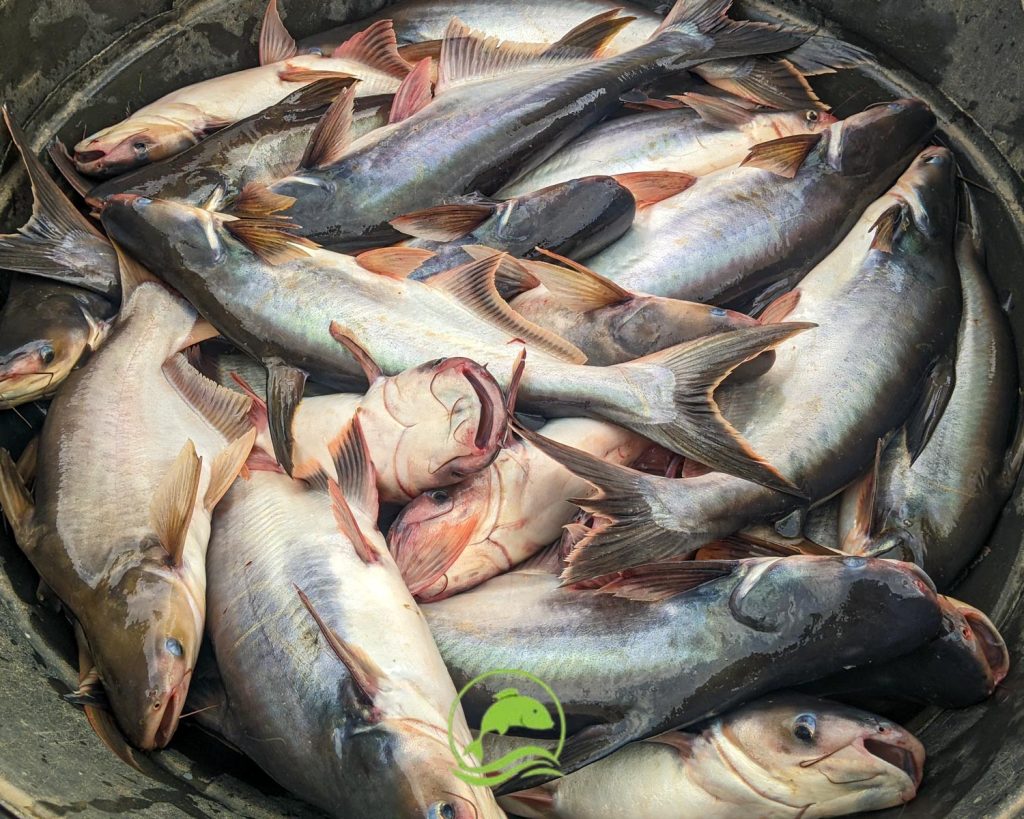
Pangasius is a freshwater fish that has become one of the world’s important aquaculture species. Its success in countries such as Vietnam demonstrates the scale at which the species can be produced when supported by appropriate production systems, markets, processing and value chains.
But its relevance to Nigeria is not simply because it is successful elsewhere. Its relevance lies in the characteristics of the fish and the opportunities they present to our own aquaculture industry.
1. Pangasius gives farmers another production option
When an industry depends heavily on a small number of species, opportunities for innovation can become limited. Different fish species can provide different production characteristics, markets and opportunities for value addition. Nigeria already has a strong catfish industry and an established tilapia sector. Pangasius gives farmers another option. This does not mean replacing catfish or tilapia. It means expanding the industry beyond the species we already know. A 2022 review on Nigerian aquaculture highlighted species diversification as an important pathway for increasing aquaculture production in the country.
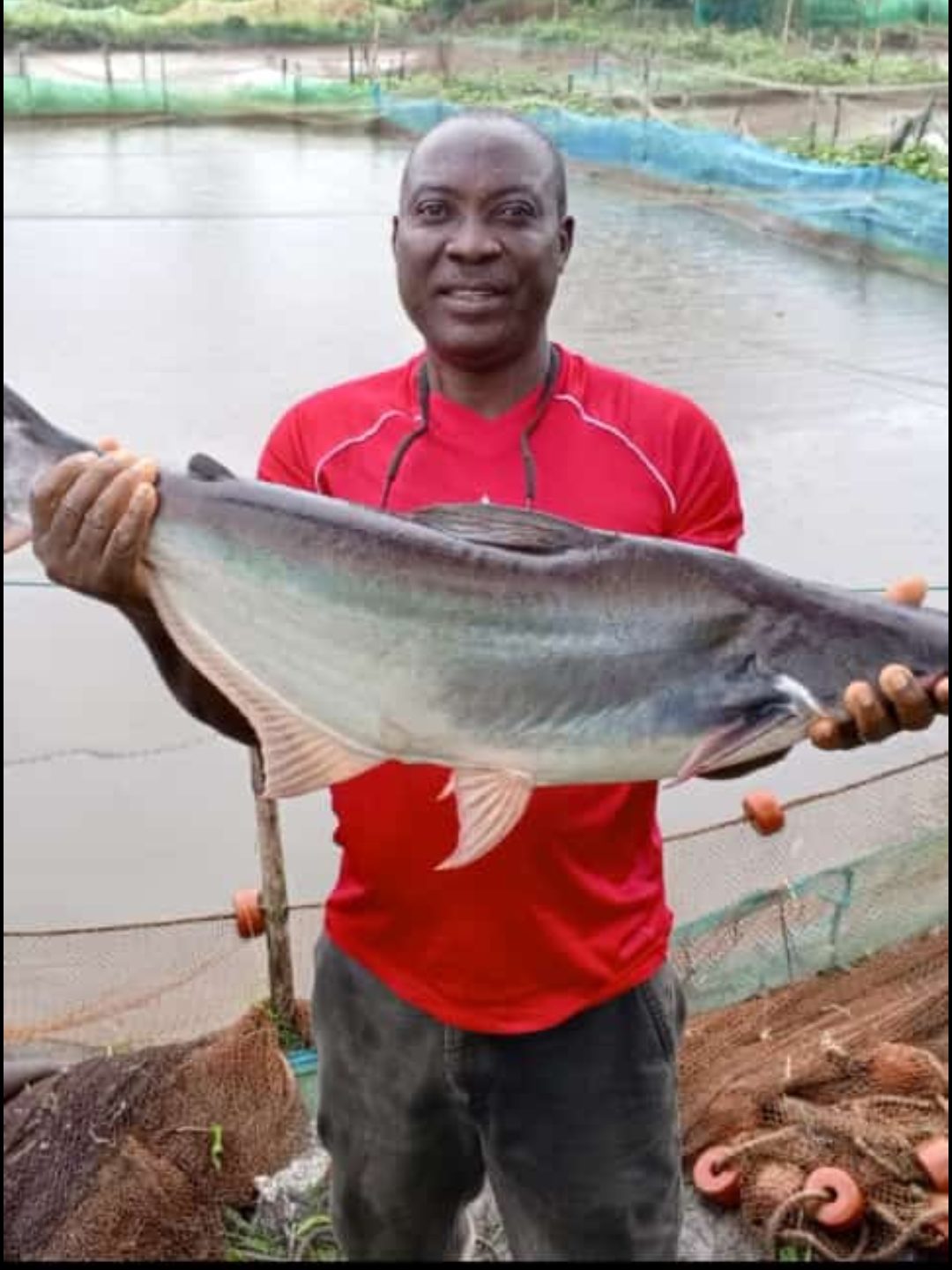
2. Pangasius has already demonstrated production potential in Nigeria
One of the most important things to understand about Pangasius in Nigeria is that this is not merely a theoretical opportunity. Farmers and commercial operations have already produced Pangasius in Nigeria in Large and they are still producing and exploring the opportunities. This existing experience gives us something valuable: a foundation to build on. The next stage is not simply introducing the fish. It is improving market development and the wider value chain.
3. The species has characteristics that interest farmers
Pangasius is known for its growth performance, adaptability and suitability for intensive production systems. These characteristics have contributed to its success as a commercial aquaculture species internationally. For Nigerian farmers, however, the important question is not whether a fish performs well somewhere else.
The important question is:
How does it perform under our local farming conditions?
That is why continued farm-level experience, proper record keeping and research are important. Farmers need to understand the relationship between stocking, feeding, water quality, survival, growth, production costs and market price. There is no shortcut to good aquaculture.
4. Pangasius creates opportunities for species diversification
Imagine an aquaculture industry where a farmer can choose from several suitable species depending on their farm system and target market. That is a more diversified industry. Nigeria has enormous potential for aquaculture, but increasing production will require more than simply increasing the number of catfish farms. We need to explore:
- New species
- Better genetics and seed
- Better production systems
- Processing and value addition
- New markets
- Better farmer knowledge
- Stronger aquaculture value chains
Pangasius fits into this larger conversation.
5. There is an opportunity beyond the farm
One of the most interesting aspects of Pangasius is that its opportunity does not end when the fish reaches harvest size. The species has an established international market for processed products, particularly frozen fillets. This creates an important lesson for African aquaculture. The future of fish farming cannot be separated from processing and marketing.
Our work at Aquapet Ventures
At Aquapet Ventures, we believe that the future of African aquaculture will require us to look beyond the familiar. Our work with Pangasius is part of our broader focus on fish species diversification and aquaculture innovation. We are interested not only in producing fish, but in understanding what happens throughout the production and value chain — from seed production and grow-out to harvesting, processing, marketing and consumption. Our goal is to contribute to an aquaculture industry where farmers have more options and consumers have access to more locally produced fish prod
The future of Nigerian aquaculture is diverse
Nigeria has the resources, people and market to build a much stronger aquaculture industry. But achieving that potential will require us to think beyond the traditional boundaries of fish farming. Pangasius is already being farmed in Nigeria. Now, the opportunity is to learn from the experience we already have, improve production systems, develop markets and explore how the species can contribute to a more diversified aquaculture sector. And perhaps the bigger lesson is this: Aquaculture does not have to be built around one or two fish species. The future can be more diverse. The future can be more innovative. And the future of West African aquaculture may contain many more fish than we currently imagine.
At Aquapet Ventures, we are ready to explore that future.